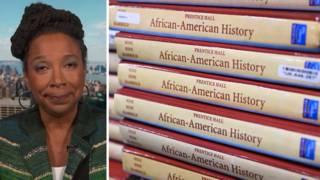

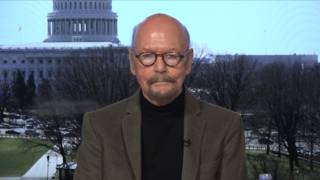

In recent years, the culture wars have raged in the sphere of public education and the issue is sure to come up in the Presidential and Congressional races this fall. One of the most controversial elements of this debate is multicultural education. Some predominantly African American urban school have begun to incorporate what’s called Afrocentricity into their curricula in attempt to provide students with an educational experience that better reflects their culture. Afrocentricity is a term coined by Temple University professor Molefi Asante. Asante believes the educational system in the U.S. promotes white supremacy because it focuses primarily on the achievement of white men in American history and examines and reveres only the contributions of white Europeans over the centuries. In contrast, Afrocentric education draws on the history and philosophy of African cultures in the diaspora. Asante’s ideas have been extremely controversial, in part because they question some of the fundamental assumptions that guide education in the U.S. Here’s an excerpt from a recent speech by Temple university Professor Molefi Asante, author of the new book, African Intellectual Heritage.
Friday, May 17, 1996 Whole Show
Recent ShowsMore Shows
Stories
Headlines
- Palestinian Prisoners Approve Deal to End Hunger Strike
- Palestinians Mark "Nakba" with Day of Protest
- Colorado Lawmakers Nix Same-Sex Union Bill
- Obama Delivers Commencement Address to Women Graduates
- Report: NATO Failed to Fully Investigate Civilian Deaths in Libya Bombing
- Head of Anti-Whaling Group Sea Shepherd Arrested in Germany for 2002 Confrontation
- Malaysian Tribunal Finds Bush, Cheney Guilty of War Crimes
- California Governor Unveils Cuts, Tax Hikes to Overcome Budget Shortfall
- Democrats Accept Corporate Funds for Convention
- Activists Protest Resumption of Controversial Immigration Policy in New York
The original content of this program is licensed under a Creative Commons Attribution-Noncommercial-No Derivative Works 3.0 United States License. Please attribute legal copies of this work to democracynow.org
. Some of the work(s) that this program incorporates, however, may be separately licensed. For further information or additional permissions,
contact us.
By Amy Goodman with Denis Moynihan
Shareholder meetings can be routine, unless you are Bank of America, in which case it may be declared an "extraordinary event." That is what the city of Charlotte, North Carolina called the bank’s shareholder meeting this week. Bank of America is currently the second largest bank in the US (after JP Morgan Chase), claiming more than $2 trillion in assets. It is also the "too big to fail" poster child of Occupy Wall Street, a speculative banking monstrosity that profits from, among other things, the ongoing foreclosure crisis and the exploitation of dirty coal.
In an extended interview, David Bronner, president of Dr. Bronner’s Magic Soaps, discusses the history of the company, why they put sustainability and social justice ahead of profits, the organic and GMO labeling movements, the U.S. war on hemp, and why they refuse to sell out.
Human Rights Watch’s Kenneth Roth examines why the U.S. has not pressured Bahrain to release pro-democracy activists. He also discusses Syria and the conditions in Israeli jails and courts that prompted 1,550 Palestinian prisoners to go on a hunger strike. [includes rush transcript]