


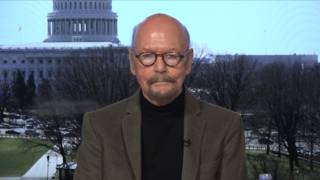
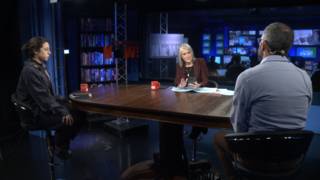
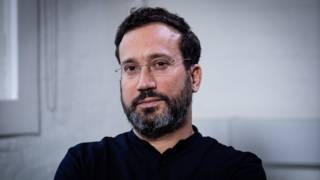
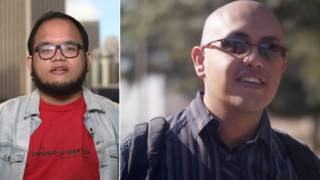




In the 1960’s progressive education pioneers like Herbert Kohl experimented with teaching techniques that eventually became known as “the open classroom,” which traded in Dick and Jane and instead used students’ real life and real experiences as the basis for educational lessons. Today, these teaching methods have become widespread and are often flashpoints for the furor of conservative education activist. In this final segment of her series “Carefully Taught,” producer Barbara Bernstein looks at the underlying conflict of values that is fueling the debate over how students should be taught.
Related Story
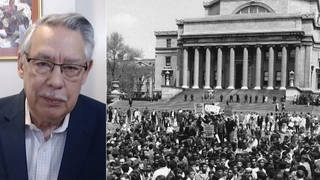
 StoryApr 23, 2024Juan González Reflects on Historic 1968 Columbia Protests & Crackdown on Gaza Solidarity Encampment
The original content of this program is licensed under a Creative Commons Attribution-Noncommercial-No Derivative Works 3.0 United States License. Please attribute legal copies of this work to democracynow.org. Some of the work(s) that this program incorporates, however, may be separately licensed. For further information or additional permissions, contact us.



 Top
Top
Media Options