



We rely on contributions from our viewers and listeners to do our work.
Please do your part today.
 StoryApr 17, 2024
Sign up for Democracy Now!'s Daily Digest to get our latest headlines and stories delivered to your inbox every day.


 StoryApr 17, 2024
 StoryApr 17, 2024
 StoryApr 16, 2024
 Web ExclusiveApr 10, 2024
 Web ExclusiveMar 22, 2024
 Web ExclusiveMar 19, 2024
 Web ExclusiveMar 15, 2024


This is viewer supported news. Please do your part today. Donate.
 Yanis Varoufakis Banned from Germany as Berlin Police Raid & Shut Down Palestinian Conference
 “Technofeudalism: What Killed Capitalism”: Yanis Varoufakis on New Book & Why Assange Should Be Freed
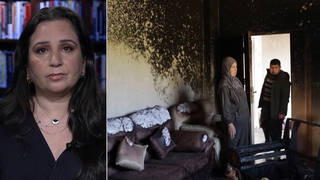 Under Cover of War in Gaza, Assault on West Bank Intensifies: Palestinian Journalist Dalia Hatuqa
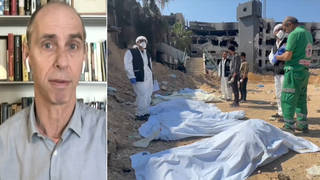 “I’m Jewish, and I’ve Covered Wars. I Know War Crimes When I See Them”: Reporter Peter Maass on Gaza

Media Options