





We rely on contributions from our viewers and listeners to do our work.
Please do your part today.
 StoryApr 19, 2024
Sign up for Democracy Now!'s Daily Digest to get our latest headlines and stories delivered to your inbox every day.

 StoryApr 19, 2024
 StoryApr 19, 2024
 StoryApr 19, 2024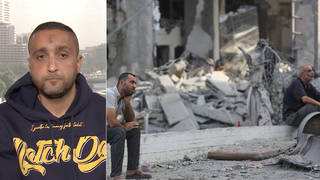
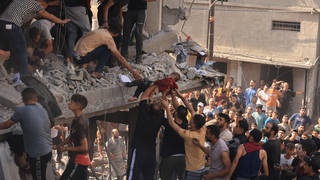 Web ExclusiveApr 10, 2024
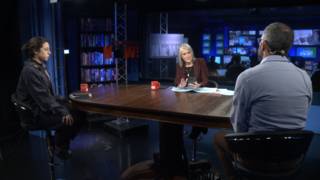 Web ExclusiveMar 22, 2024
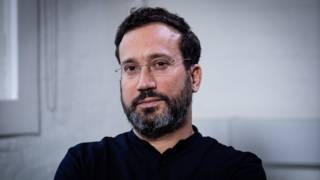 Web ExclusiveMar 19, 2024
 Web ExclusiveMar 15, 2024


This is viewer supported news. Please do your part today. Donate.
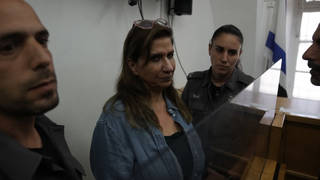
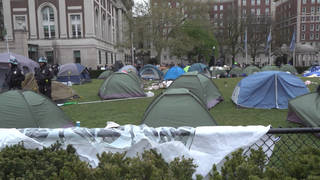
 “No Palestinian Is Safe”: Renowned Feminist Scholar Nadera Shalhoub-Kevorkian Arrested in JerusalemOver 100 Arrested at Columbia After Univ. President Orders NYPD to Clear Pro-Palestine Student Protest“Fear and Terror”: Gaza Photographer Ahmed Zakot on Documenting the Carnage of Israel’s AssaultU.N. Photo Collection Shows Gaza War Through the Lens of Palestinian Journalists
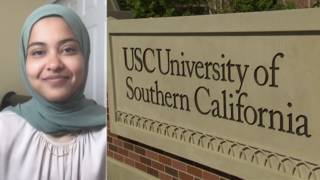 Meet USC Valedictorian Asna Tabassum: School Cancels Commencement Speech by Pro-Palestinian Student
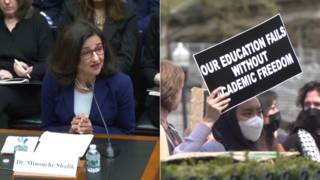 The New McCarthyism: Congress Grills Columbia Univ. President Amid Crackdown on Pro-Palestine Speech
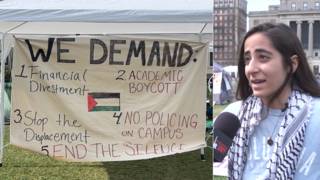 Columbia Students Risk Arrest, Suspension to Maintain Gaza Solidarity Encampment on Campus
 Israel Considers Attacking Iran and Invading Rafah as Netanyahu Seeks Lifelines to Stay in Power
Media Options