





We rely on contributions from our viewers and listeners to do our work.
Please do your part today.
 StoryApr 24, 2024
Sign up for Democracy Now!'s Daily Digest to get our latest headlines and stories delivered to your inbox every day.

 StoryApr 24, 2024
 StoryApr 24, 2024
 StoryApr 24, 2024
 StoryApr 24, 2024
 Web ExclusiveApr 23, 2024
 Web ExclusiveApr 23, 2024
 Web ExclusiveApr 10, 2024
 Web ExclusiveMar 22, 2024


This is viewer supported news. Please do your part today. Donate.
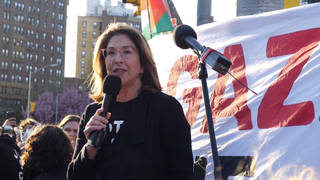
 “Seder in the Streets to Stop Arming Israel”: 100s Arrested at Jewish-Led Protest Near Schumer’s HomeNaomi Klein: Jews Must Raise Their Voices for Palestine, Oppose the “False Idol of Zionism”
 Months Ago State Dept. Panel Exposed Israeli Units’ Rights Abuses, But U.S. Arms Keep FlowingClimate Activists Blockade Citigroup HQ in NYC to Demand Banking Giant Stop Funding Fossil FuelsCuban Deputy Foreign Minister: Deliberate U.S. Policy of “Destroying Cuban Economy” Drives Migration
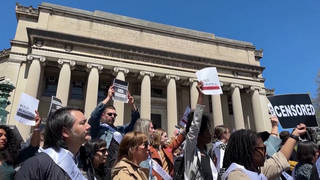
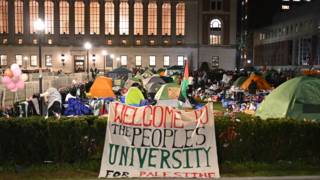 Historic Gaza Protests at Columbia U. Enter Day 6; Campus Protests Spread Across Country
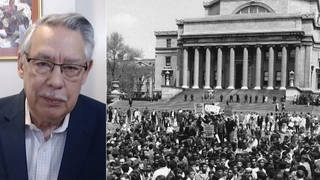
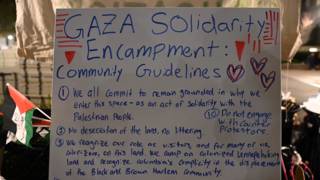 “No Due Process”: Columbia Prof. Mamdani Slams Arrests & Suspension of Students at Gaza Protests
 “Collective Punishment”: As Gaza Assault Continues, Israel Ramps Up Violence in Occupied West Bank
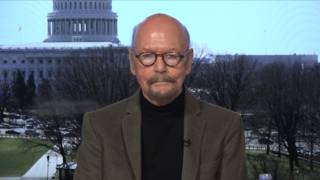
 “Enormous Expansion of the Law”: James Bamford on FISA Extension, U.S.-Israel Data Sharing
Media Options