




We rely on contributions from our viewers and listeners to do our work.
Please do your part today.
 StoryOct 05, 2026
Sign up for Democracy Now!'s Daily Digest to get our latest headlines and stories delivered to your inbox every day.

 StoryOct 05, 2026
 StoryOct 05, 2026
 StoryOct 05, 2026
 StoryOct 02, 2026
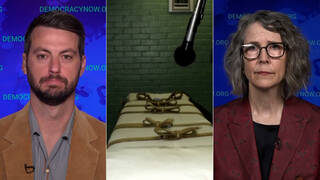 Web ExclusiveSep 30, 2026
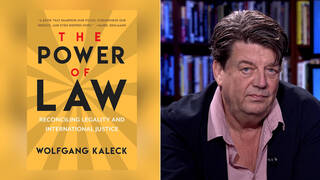 Web ExclusiveSep 28, 2026
 Web ExclusiveSep 24, 2026
 Web ExclusiveSep 24, 2026


Media activist for more than half a century. He founded and served as director of the Office of Communication of the United Church of Christ from 1954 until 1983. In the 1960s, he reviewed the civil rights performance of television stations in the South and identified WLBT-TV in Jackson, Mississippi as a frequent target of public complaints. He filed a “petition to deny renewal” with the FCC, initiating a process eventually got the station’s license revoked and had far-reaching consequences in American broadcasting. He is currently an adjunct professor of communications at Fordham University. He is ninety-five years old.

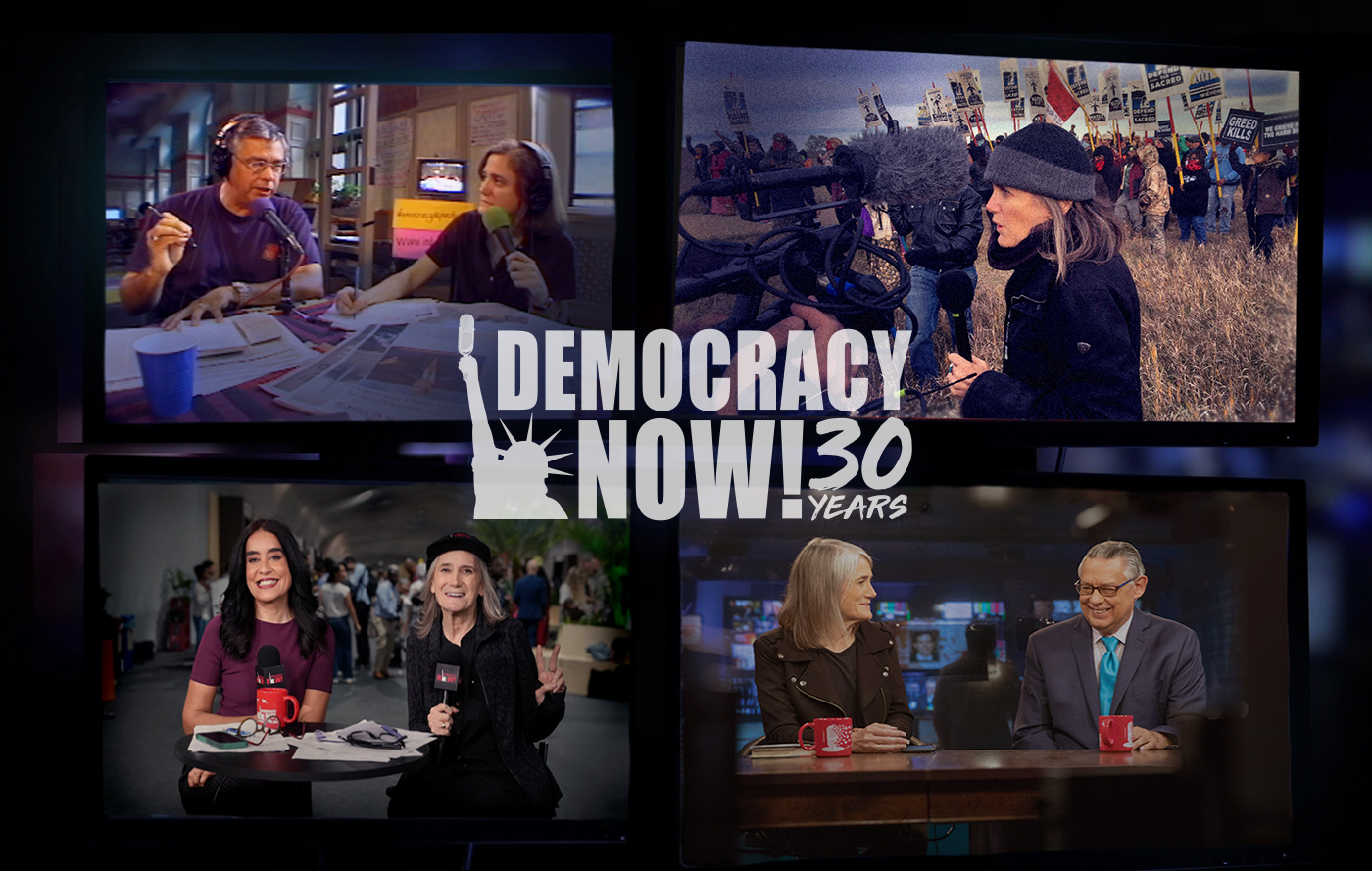
Special guests Angela Davis, Bruce Springsteen, Patti Smith, Michael Stipe and more came together to celebrate 30 years of Democracy Now! at a sold out Riverside Church event in NYC on March 23, 2026.

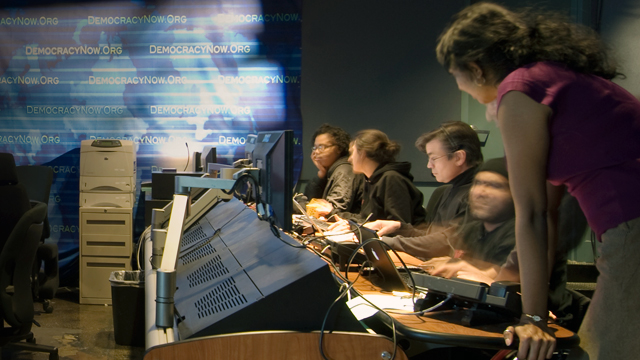
We're hiring an Individual Giving Manager to support our fundraising team. Find out more and apply today!