



We rely on contributions from our viewers and listeners to do our work.
Please do your part today.
 StoryJul 01, 2026
Sign up for Democracy Now!'s Daily Digest to get our latest headlines and stories delivered to your inbox every day.

 StoryJul 01, 2026
 StoryJul 01, 2026
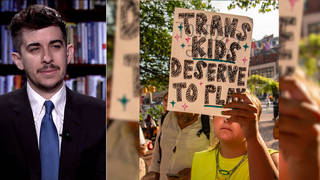 StoryJul 01, 2026
 StoryJul 01, 2026
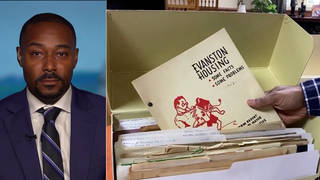 Web ExclusiveJun 24, 2026
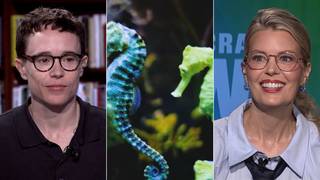 Web ExclusiveJun 18, 2026
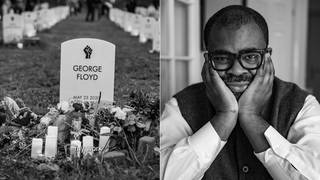 Web ExclusiveJun 17, 2026
 Web ExclusiveJun 03, 2026


Activist and advocate for victims of asbestos exposure for many years. She was one of the first residents in Libby to begin to raise awareness about the issue and helped the story gain national attention in 1999. Both her parents died from exposure to asbestos. She and her husband both have the disease. Thirty members of her extended family have been affected.


Special guests Angela Davis, Bruce Springsteen, Patti Smith, Michael Stipe and more came together to celebrate 30 years of Democracy Now! at a sold out Riverside Church event in NYC on March 23, 2026.


We're hiring for Education Program Manager to lead our education program. Find out more and apply today!

