

We rely on contributions from our viewers and listeners to do our work.
Please do your part today.
 StoryOct 20, 2026
Sign up for Democracy Now!'s Daily Digest to get our latest headlines and stories delivered to your inbox every day.

 StoryOct 20, 2026
 StoryOct 20, 2026
 StoryOct 19, 2026
 StoryOct 19, 2026
 Web ExclusiveOct 14, 2026
 Web ExclusiveOct 07, 2026
 Web ExclusiveSep 30, 2026
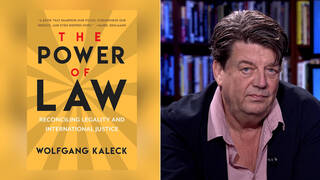 Web ExclusiveSep 28, 2026


Iraq War veteran and the main subject of the documentary, Body of War. On April 4, 2004, his fifth day in Iraq, Young’s unit came under fire in the Sadr City neighborhood of Baghdad. Young was left paralyzed, never to walk again. Released from medical care three months later, Young returned home to become an active member in Iraq Veterans Against the War. He recently announced that he will stop his nourishment, which comes in the form of liquid through a feeding tube — a decision which will hasten his death.
StoryMar 21, 2013 StoryMar 21, 2013
 Web ExclusiveMar 21, 2013
 Web ExclusiveMar 21, 2013
 StoryMar 25, 2008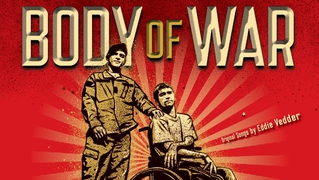


Special guests Angela Davis, Bruce Springsteen, Patti Smith, Michael Stipe and more came together to celebrate 30 years of Democracy Now! at a sold out Riverside Church event in NYC on March 23, 2026.