













By Amy Goodman with Denis Moynihan
A reporter, describing the devastation of one city in Japan, wrote: “It looks as if a monster steamroller had passed over it and squashed it out of existence. I write these facts … as a warning to the world.” The reporter was Wilfred Burchett, writing from Hiroshima, Japan, on Sept. 5, 1945. Burchett was the first Western reporter to make it to Hiroshima after the atomic bomb was dropped there. He reported on the strange illness that continued to kill people, even a full month after that first, dreadful use of nuclear weapons against humans. His words could well describe the scenes of annihilation in northeastern Japan today. Given the worsening catastrophe at the Fukushima nuclear power plant, his grave warning to the world remains all too relevant.
Related Story
 StoryAug 06, 202580 Years After Hiroshima & Nagasaki, U.S. Keeps Covering Up Horrors of Atomic Bombing: Greg Mitchell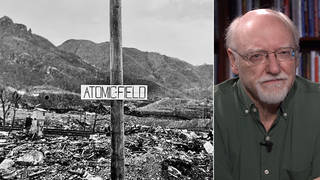




 Top
Top
Media Options