



We rely on contributions from our viewers and listeners to do our work.
Please do your part today.
 StoryMay 01, 2024
Today is the first of two Public Media Giving Days, a time to celebrate what public and independent media gives to you by giving back. If you think Democracy Now!’s reporting is a critical line of defense against war, climate catastrophe and authoritarianism, please make your donation of $10 or more right now. In honor of Public Media Giving Days, a generous donor will TRIPLE your donation, which means it’ll go 3x as far to support our independent journalism. Democracy Now! is funded by you, and that’s why we’re counting on your donation to keep us going strong. Please give today. Every dollar makes a difference—in fact, gets tripled! Thank you so much.
-Amy Goodman
Today is the first of two Public Media Giving Days, a time to celebrate what public and independent media gives to you by giving back. If you think Democracy Now!’s reporting is a critical line of defense against war, climate catastrophe and authoritarianism, please make your donation of $10 or more right now. In honor of Public Media Giving Days, a generous donor will TRIPLE your donation, which means it’ll go 3x as far to support our independent journalism. Democracy Now! is funded by you, and that’s why we’re counting on your donation to keep us going strong. Please give today. Every dollar makes a difference—in fact, gets tripled! Thank you so much.
-Amy Goodman
We rely on contributions from you, our viewers and listeners to do our work. If you visit us daily or weekly or even just once a month, now is a great time to make your monthly contribution.
Please do your part today.

 StoryMay 01, 2024
 StoryMay 01, 2024
 StoryMay 01, 2024
 StoryMay 01, 2024
 Web ExclusiveMay 01, 2024
 Web ExclusiveApr 29, 2024
 Web ExclusiveApr 23, 2024
 Web ExclusiveApr 23, 2024


This is viewer supported news. Please do your part today. Donate.
 Campus Crackdown: 300+ Arrested in Police Raids on Columbia & CCNY to Clear Gaza EncampmentsJuan González, Veteran of '68 Columbia Strike, Condemns University Leaders' Silence on Gaza SlaughterUSC Grad Student Union Files Unfair Labor Practice Charge Against University over ArrestsReed Brody: U.S. Hypocrisy Laid Bare as Biden Admin Claims ICC Can’t Prosecute Israel for War Crimes
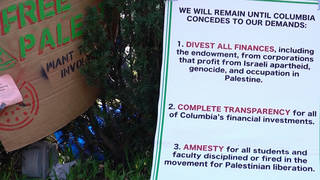 “We Don’t Want to Trade in the Blood of Palestinians”: Voices of Students & Profs at Columbia Protest
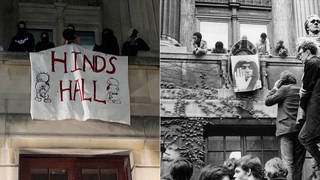 In Gaza Protest, Columbia Students Occupy Hamilton Hall, Site of Historic 1968 Takeover
 Israeli Holocaust Scholar Omer Bartov on Campus Protests, Weaponizing Antisemitism & Silencing Dissent
 Months After Israel Killed Gaza Poet Refaat Alareer, His Daughter & Infant Grandson Die in Airstrike

Media Options