




We rely on contributions from our viewers and listeners to do our work.
Please do your part today.
 StoryApr 24, 2026
Sign up for Democracy Now!'s Daily Digest to get our latest headlines and stories delivered to your inbox every day.

 StoryApr 24, 2026
 StoryApr 24, 2026
 StoryApr 24, 2026
 StoryApr 23, 2026
 Web ExclusiveApr 03, 2026
 Web ExclusiveMar 30, 2026
 Web ExclusiveMar 10, 2026
 Web ExclusiveMar 09, 2026



This is viewer supported news. Please do your part today. Donate.
 Lebanese Journalist Amal Khalil Killed in Israeli Strike, Medics Blocked from Saving Her Under RubbleNYC Councilmember Chi Ossé Calls for End to “Deed Theft” After Arrest at Eviction Protest in Brooklyn“Muskism”: Author Quinn Slobodian on How Apartheid South Africa Inspired Elon Musk’s Worldview & More
 AI Data Center Resistance: Maine Passes Nation’s First Statewide Moratorium — Will Gov. Mills Sign It?
 “Colossus Failure”: Elon Musk’s Data Centers Face Lawsuit for Polluting Black Neighborhoods in Memphis
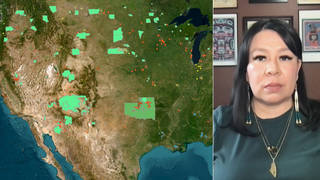 “Data Colonialism”: Native Communities Fight AI Data Centers on Indigenous Land
 Greenpeace Sends Ship to Support Global Sumud Flotilla’s Attempt to Break Israel’s Blockade of Gaza

Media Options