


We rely on contributions from our viewers and listeners to do our work.
Please do your part today.
 StoryMay 08, 2024
If you think Democracy Now!’s reporting is a critical line of defense against war, climate catastrophe and authoritarianism, please make your donation of $10 or more right now. Today, a generous donor will TRIPLE your donation, which means it’ll go 3x as far to support our independent journalism. Democracy Now! is funded by you, and that’s why we’re counting on your donation to keep us going strong. Please give today. Every dollar makes a difference—in fact, gets tripled! Thank you so much.
-Amy Goodman
If you think Democracy Now!’s reporting is a critical line of defense against war, climate catastrophe and authoritarianism, please make your donation of $10 or more right now. Today, a generous donor will TRIPLE your donation, which means it’ll go 3x as far to support our independent journalism. Democracy Now! is funded by you, and that’s why we’re counting on your donation to keep us going strong. Please give today. Every dollar makes a difference—in fact, gets tripled! Thank you so much.
-Amy Goodman
We rely on contributions from you, our viewers and listeners to do our work. If you visit us daily or weekly or even just once a month, now is a great time to make your monthly contribution.
Please do your part today.

 StoryMay 08, 2024
 StoryMay 08, 2024
 StoryMay 08, 2024
 StoryMay 07, 2024
 Web ExclusiveMay 06, 2024
 Web ExclusiveMay 01, 2024
 Web ExclusiveApr 29, 2024
 Web ExclusiveApr 23, 2024


This is viewer supported news. Please do your part today. Donate.
 Fmr. Israeli Peace Negotiator Daniel Levy: U.S. Pressure on Israel Is Key to Lasting Gaza Ceasefire
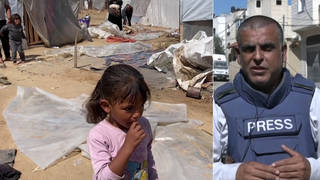 Report from Rafah: Israel Seizes Border Crossing, Blocking Humanitarian Aid, as Ceasefire Talks Continue
 “Stop Weaponizing Antisemitism”: Police “Body-Slam” Jewish Dartmouth Prof. at Campus Gaza Protest
 “Criminal Act”: Israel Bans Al Jazeera, Largest Int’l News Org. in Gaza, Ahead of Rafah Invasion
 “They Are Starving,” Says Doctor Back from Gaza; World Food Programme Warns North in “Full-Blown Famine”
 Revolt on Campus: Protests over Gaza Disrupt Graduation Ceremonies as Police Crack Down on Encampments
Media Options