





We rely on contributions from our viewers and listeners to do our work.
Please do your part today.
 StoryDec 03, 2025
In this age of widespread misinformation and increased threats to press freedom, support for independent journalism is more important than ever. Media is essential to the functioning of a democratic society. Please donate today, so we can keep delivering urgent reporting on the world’s most pressing issues.
Every dollar makes a difference. Thank you so much!
Democracy Now!
Amy Goodman
In this age of widespread misinformation and increased threats to press freedom, support for independent journalism is more important than ever. Media is essential to the functioning of a democratic society. Please donate today, so we can keep delivering urgent reporting on the world’s most pressing issues.
Every dollar makes a difference. Thank you so much!
Democracy Now!
Amy Goodman
We rely on contributions from you, our viewers and listeners to do our work. If you visit us daily or weekly or even just once a month, now is a great time to make your monthly contribution.
Please do your part today.

 StoryDec 03, 2025
 StoryDec 03, 2025
 StoryDec 03, 2025
 StoryDec 02, 2025
 Web ExclusiveNov 24, 2025
 Web ExclusiveNov 10, 2025
 Web ExclusiveNov 06, 2025
 Web ExclusiveNov 03, 2025


This is viewer supported news. Please do your part today. Donate.

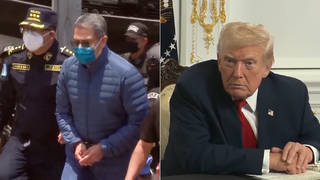 Trump Meddles in Honduran Election & Vows to Pardon Ex-President Jailed in U.S. for Drug Trafficking
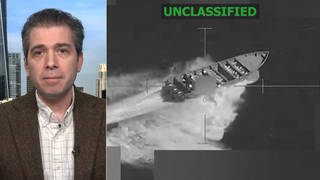 “Kill Everybody”: Could Hegseth Face War Crimes Probe for Killing Survivors of U.S. Boat Strike?
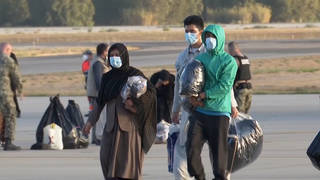 Trump Vows to Pause Migration from “Third World Countries” After Fatal National Guard Shooting
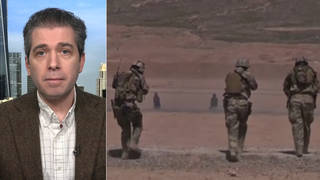 “Imperial Blowback”: Suspect in D.C. Shooting Was Part of CIA Death Squad in Afghanistan
Media Options