




We rely on contributions from our viewers and listeners to do our work.
Please do your part today.
 StoryJun 04, 2026
Please support our independent journalism. Our war coverage isn't funded by weapons manufacturers, our climate reporting isn't paid for by oil companies, our stories on economic inequality aren't sponsored by financial institutions. Instead, our independent journalism is funded by viewers and listeners like you.Every dollar makes a difference. Thank you so much!
Democracy Now!
Amy Goodman
Please support our independent journalism. Our war coverage isn't funded by weapons manufacturers, our climate reporting isn't paid for by oil companies, our stories on economic inequality aren't sponsored by financial institutions. Instead, our independent journalism is funded by viewers and listeners like you.Every dollar makes a difference. Thank you so much!
Democracy Now!
Amy Goodman
We rely on contributions from you, our viewers and listeners to do our work. If you visit us daily or weekly or even just once a month, now is a great time to make your monthly contribution.
Please do your part today.

 StoryJun 04, 2026
 StoryJun 04, 2026
 StoryJun 04, 2026
 StoryJun 04, 2026
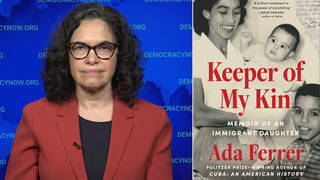 Web ExclusiveJun 03, 2026
 Web ExclusiveJun 02, 2026
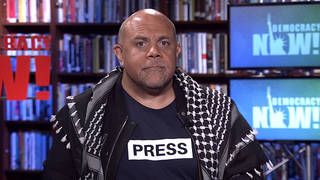 Web ExclusiveMay 15, 2026
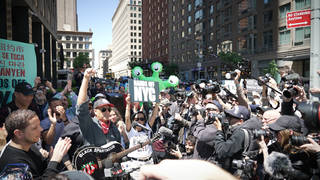 Web ExclusiveMay 05, 2026


This is viewer supported news. Please do your part today. Donate.
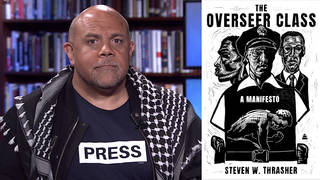
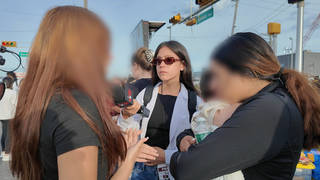
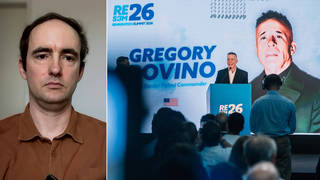
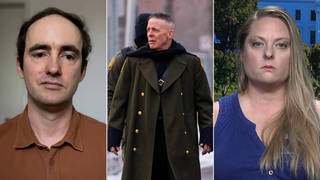
 Voices from Delaney Hall: Family and Community Members Demand Release of Loved Ones from ICE JailFar-Right Leaders, Including Ex-CBP Chief Greg Bovino, Convene in Portugal for “Remigration Summit”“Notes from an ICE Chaser”: Tracking Trump’s Mass Deportation Campaign on the GroundPulitzer Prize-Winning Historian Ada Ferrer on Cuba’s Crisis, U.S. Sanctions and Family Separation
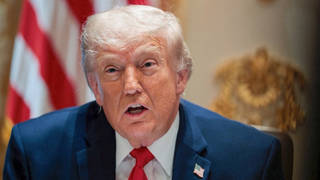 “Fraud on the Court”: Even as DOJ Drops $1.8B Settlement Fund, Judge Reopens Case over Collusion
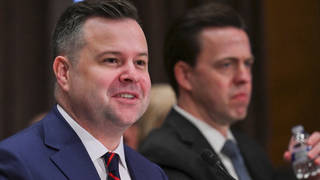 MAGA Loyalist Bill Pulte Tapped to Be New U.S. Spy Chief, Led Efforts to Target Trump Critics
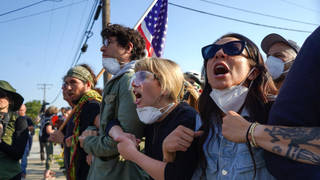 “Appalling Misconduct”: Chicago Federal Prosecutors Under Fire; “Broadview 6” Charges Dropped
 The Government Tried to Villainize Us: Broadview 6 Defendants Speak Out After Charges Dropped

Media Options