






We rely on contributions from our viewers and listeners to do our work.
Please do your part today.
 StoryApr 17, 2026
Sign up for Democracy Now!'s Daily Digest to get our latest headlines and stories delivered to your inbox every day.


 StoryApr 17, 2026
 StoryApr 17, 2026
 Web ExclusiveApr 03, 2026
 Web ExclusiveMar 30, 2026
 Web ExclusiveMar 10, 2026
 Web ExclusiveMar 09, 2026


This is viewer supported news. Please do your part today. Donate.
 As Iran Reopens Strait of Hormuz, Are U.S. & Iran Near Deal or Renewed Fighting?Report from Beirut: Israel-Lebanon Ceasefire Met with “Cautious Optimism”Rami Khouri: U.S. & Israel Were “Forced into Two Ceasefires” as Regional Balance of Power ShiftsAliya Rahman v. DHS: Disabled Woman Dragged from Car Files Claim over Violent Arrest in Minneapolis
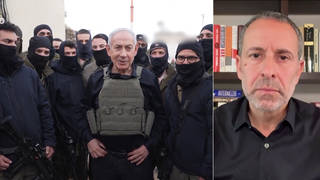 Israel’s War & Demands “Could Throw Lebanon Back into a Civil War”: Ex-Israeli Negotiator Daniel Levy
 “Scorched-Earth Campaign”: Israel Uses “Gaza Playbook” to Turn Southern Lebanon into Rubble
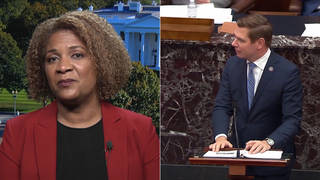 Reps. Swalwell & Gonzales Resign over Alleged Sexual Misconduct; Will Congress Take More Action?
 “The Future Is Peace”: Maoz Inon & Aziz Abu Sarah on Israelis and Palestinians Working Together
Media Options