





We rely on contributions from our viewers and listeners to do our work.
Please do your part today.
 StoryMar 10, 2026
In the midst of the U.S.-Israeli war on Iran, you can count on Democracy Now! – the war and peace report – to cut through the noise of a relentless news cycle with in-depth coverage of the human cost of military aggression and voices from across the globe calling for peace. Thanks to a group of generous donors, all donations made today will be TRIPLED, which means your $15 gift is worth $45.
Every dollar makes a difference. Thank you so much!
Democracy Now!
Amy Goodman
In the midst of the U.S.-Israeli war on Iran, you can count on Democracy Now! – the war and peace report – to cut through the noise of a relentless news cycle with in-depth coverage of the human cost of military aggression and voices from across the globe calling for peace. Thanks to a group of generous donors, all donations made today will be TRIPLED, which means your $15 gift is worth $45.
Every dollar makes a difference. Thank you so much!
Democracy Now!
Amy Goodman
We rely on contributions from you, our viewers and listeners to do our work. If you visit us daily or weekly or even just once a month, now is a great time to make your monthly contribution.
Please do your part today.

 StoryMar 10, 2026
 StoryMar 10, 2026
 StoryMar 10, 2026
 StoryMar 09, 2026
 Web ExclusiveMar 09, 2026
 Web ExclusiveMar 04, 2026
 Web ExclusiveMar 04, 2026
 Web ExclusiveMar 04, 2026


This is viewer supported news. Please do your part today. Donate.
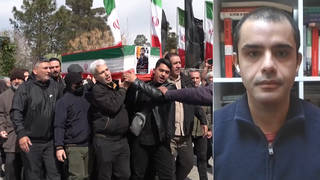
 Iran Picks New Supreme Leader; Toxic Black Rain Falls After Israeli Strikes on Iranian Oil Depots
 “Racist Regime”: Iranian Israeli Editor Orly Noy on Israel Denying Bomb Shelter Access to Palestinians
 “Trump Has Been Anointed by Jesus” to Wage War on Iran: U.S. Commanders Accused of Promoting Holy War

Media Options