


We rely on contributions from our viewers and listeners to do our work.
Please do your part today.
 StoryOct 06, 2026
Sign up for Democracy Now!'s Daily Digest to get our latest headlines and stories delivered to your inbox every day.

 StoryOct 06, 2026
 StoryOct 06, 2026
 StoryOct 06, 2026
 StoryOct 05, 2026
 Web ExclusiveSep 30, 2026
 Web ExclusiveSep 28, 2026
 Web ExclusiveSep 24, 2026
 Web ExclusiveSep 24, 2026


 Watch Headlines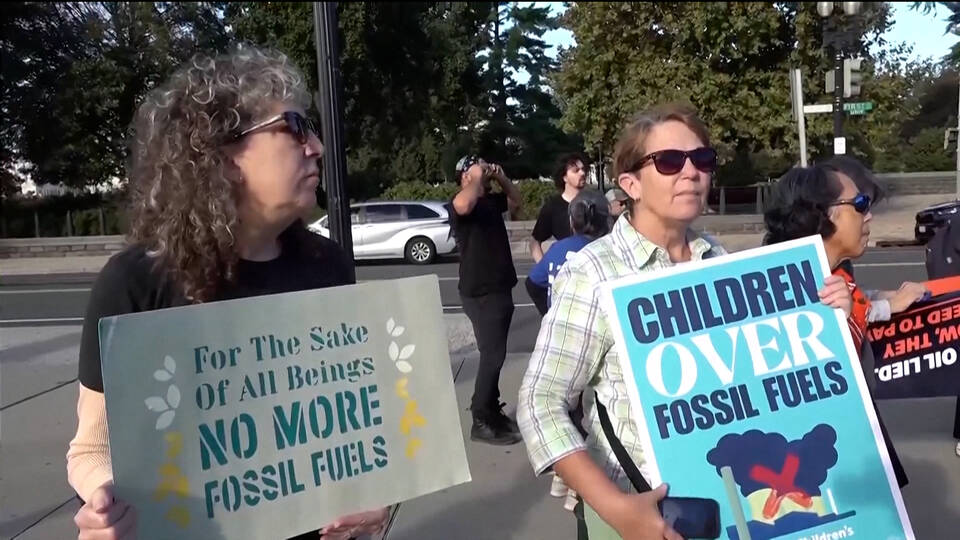
The Supreme Court opened its new term Monday by hearing oral arguments in a case that could determine whether fossil fuel companies can be held liable for their role in creating the climate crisis — and covering it up. The case concerns lawsuits brought by city and county officials in Boulder, Colorado, who sued ExxonMobil and Suncor Energy in state court, seeking damages for the costs of droughts, fires, floods and other effects of global heating. During oral arguments, justices appeared skeptical of claims that federal law preempts state tort laws that could be used to sue energy companies.
Climate justice groups rallied outside the court, joined by several young people who signed an amicus brief highlighting how children are especially vulnerable to the climate crisis. This is Alina Miranda, who was 16 years old when her family home was consumed by the Marshall Fire, the most destructive in Colorado’s history.
Alina Miranda: “I did not create the climate crisis, but I’m already living with the consequences. I signed an amicus brief because I believe my state has a right and duty to protect my health and hold corporations like Suncor responsible for the damage they’ve caused by prioritizing profit over long-term climate health. The Supreme Court should not take away the ability of my local government to protect me.”
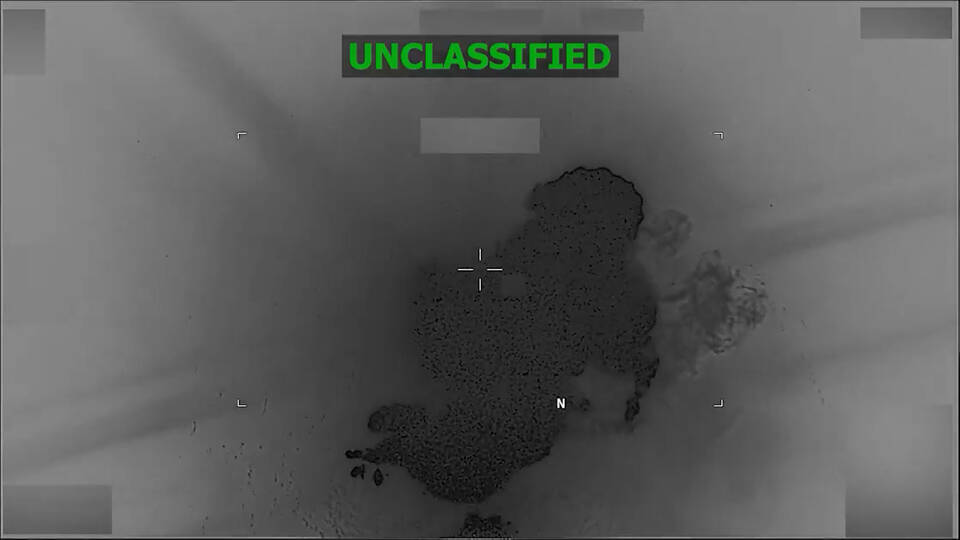
The Pentagon said Sunday it killed four people in a strike on a speedboat in the Caribbean — once again providing no evidence to back its claims the vessel was carrying drugs. That brings the number of people U.S. Southern Command claims to have killed to 238 since the Trump administration began blowing up civilian vessels in the eastern Pacific and Caribbean Sea last year. In response, Amnesty International USA wrote, “Nearly 240 dead in this illegal campaign of extrajudicial killings, i.e., murder at sea. Where is Congress to stop the horror?”
In Saudi Arabia, officials say three people were injured Monday as Houthi fighters from Yemen launched attacks on two regional airports. The attacks came as Yemen’s Saudi-backed government announced its forces had recaptured the Red Sea port city of Mokha as part of a counteroffensive to drive Houthi militias from the areas around the strategic Bab al-Mandab Strait.
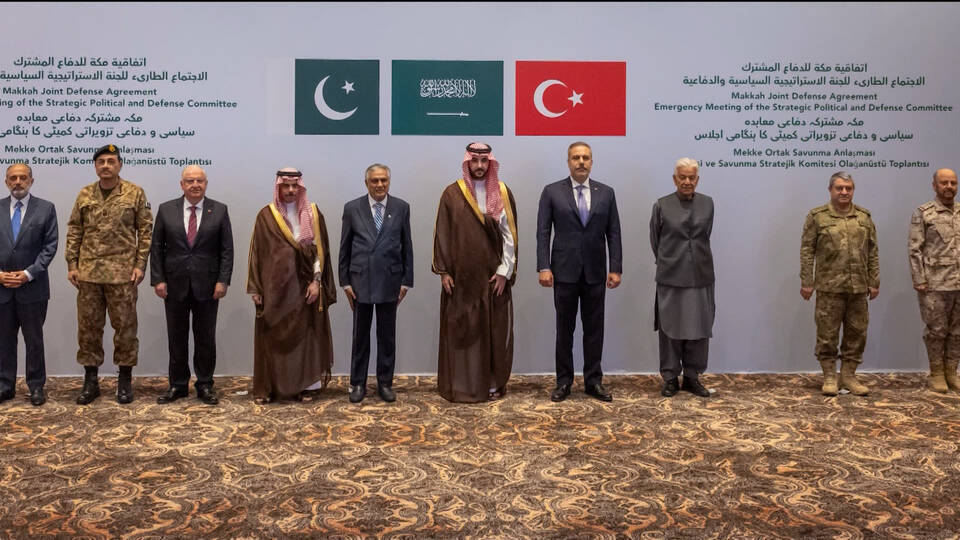
Meanwhile, officials in Turkey and Pakistan said they would rapidly deploy troops to Saudi Arabia as part of a mutual defense agreement signed in August, known as the Mecca Pact. The announcement came as the Saudi-led coalition launched airstrikes on what it said were weapons sites in Yemen’s Houthi-controlled capital, Sana’a.
The International Chamber of Commerce is warning of a growing global food crisis due to disruptions to shipping through the Strait of Hormuz caused by the U.S. and Israeli war on Iran. The group’s secretary general told The Wall Street Journal that fertilizer capacity has fallen by nearly 40% since the strait was disrupted, with grain prices set to rise by up to 80% unless it’s reopened.
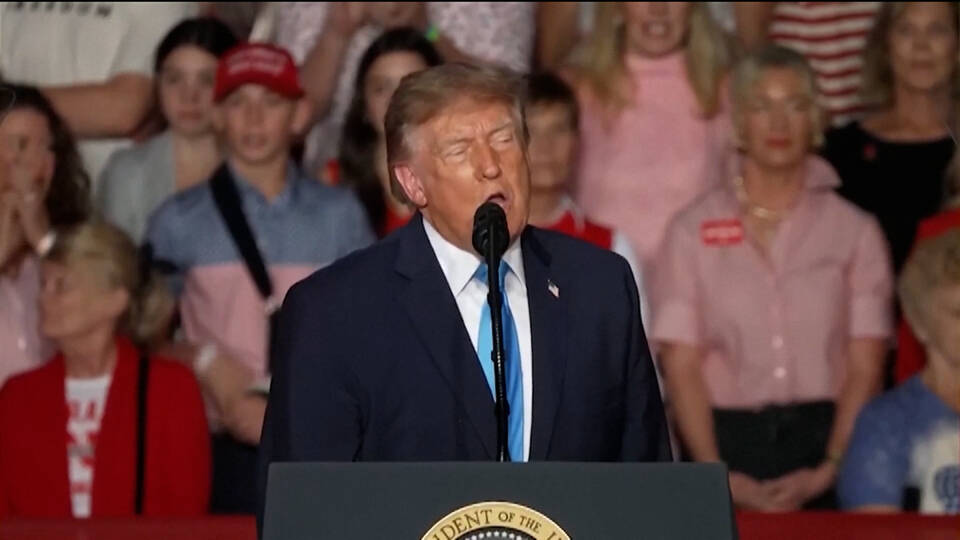
On Monday, President Trump defended his decision to attack Iran, telling a campaign rally in Grand Island, Nebraska, that high gas prices are a “small price to pay.”
President Donald Trump: “It’s a small price to pay for keeping the world safe, keeping our country safe. They can take out a city. Let them take — let — let them take out Los Angeles. Let them take out San Diego. That’s — this is a very small price to pay, and it’s going to be over with very soon.”
The statement drew condemnation from elected officials in California. Los Angeles Mayor Karen Bass responded, “The role of a president is to protect the country, not to actively threaten it and encourage attacks on American lives.”
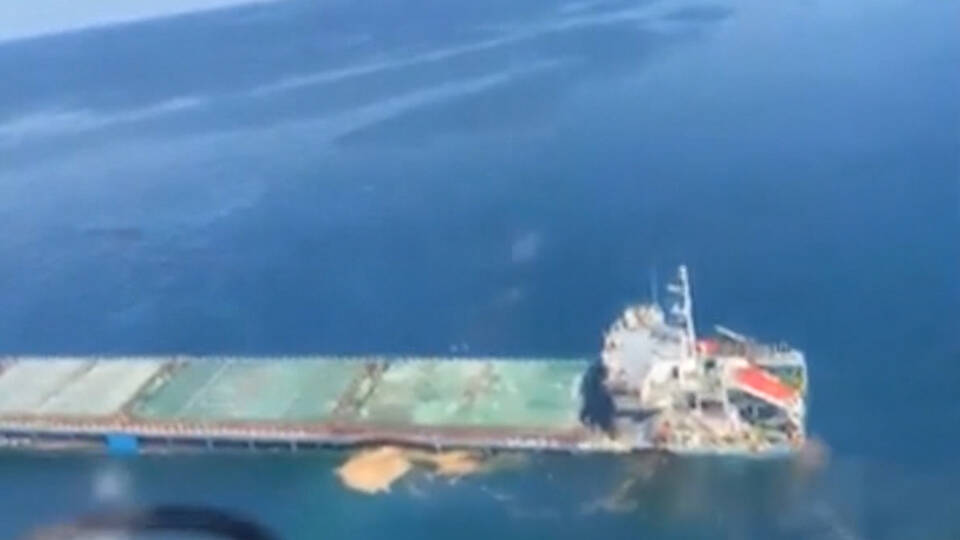
Ukraine launched a massive attack on Russia overnight, with 650 drones targeting the Moscow region. The attacks killed two people and set a warehouse on fire. It’s Ukraine’s second-largest drone attack yet on the Russian capital. It follows claims by Ukraine that a Russian drone sunk a ship in Romanian waters in the Black Sea. Romania reported that two people were killed when a grain ship caught fire and sank.
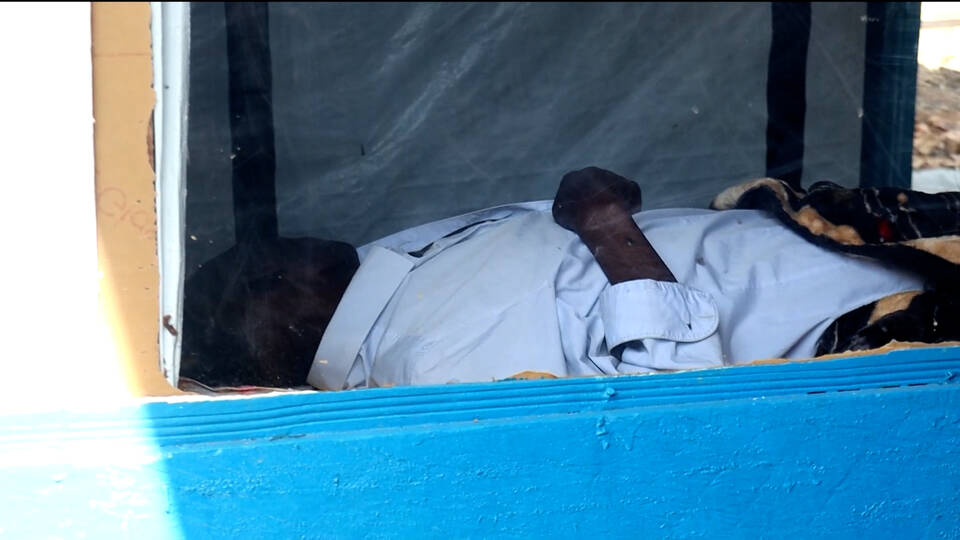
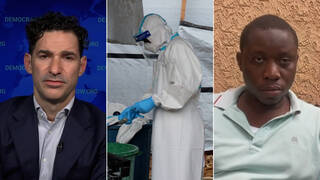
Kenya has detected its first-ever case of Ebola. The patient is a Kenyan citizen who has been living in the Democratic Republic of the Congo and arrived in Nairobi over the weekend. The patient has since died. His death comes as the DRC is combating its largest-ever outbreak of Ebola, recording more than 8,000 cases and over 4,000 deaths. Later in the broadcast, we’ll speak with a Congolese journalist in the city of Bunia and Dr. Craig Spencer at Brown University, who survived an Ebola infection in 2014.

New York Governor Kathy Hochul declared a disaster emergency Monday due to the rapid spread of measles in neighboring states and in rural and urban areas of New York. The declaration came as the number of measles cases in Pennsylvania so far this year surpassed 1,000 — the largest state outbreak in more than three decades. Five people have died so far. Officials blame low vaccination rates for the outbreak.
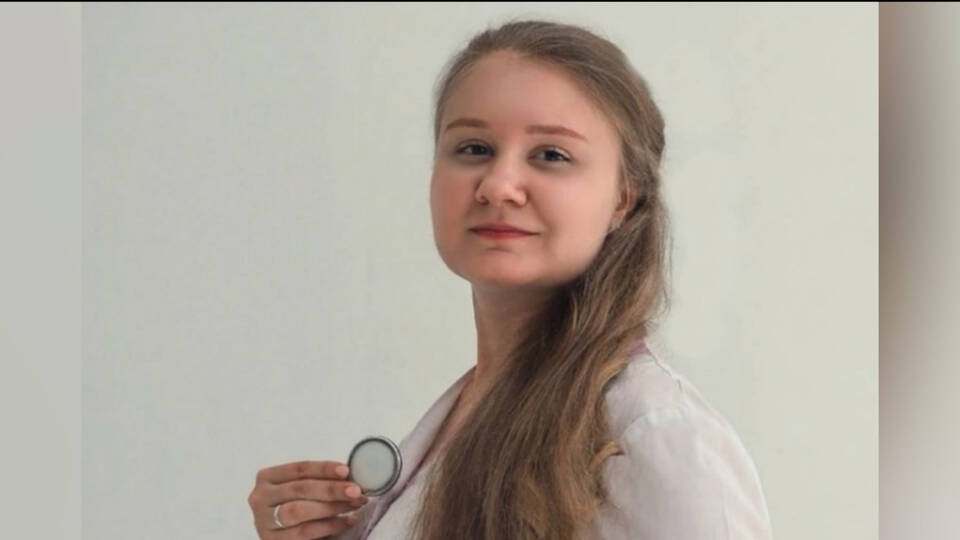
In Russia, a worker at an anti-plague laboratory died from a “pneumonia of undetermined” origin last week. According to Russian media, nearly 200 people who had been in contact with the worker have been placed under precautionary medical observation. Secretary of State Marco Rubio said Monday if “something like that gets out, it could quickly spread,” adding that the U.S. is monitoring the situation closely.
In Texas, opposition is mounting against a proposed ICE jail and processing center that would be located inside a 640,000-square-foot warehouse in San Antonio’s Eastside. Mayor Gina Ortiz Jones says city officials are exploring legal options to block the site after federal officials failed to respond to questions about its impacts on the environment and local community. The jail is also opposed by San Antonio-area Congressmember Joaquin Castro, who cited reports of inadequate medical care and abusive conditions in ICE detention centers, including sexual violence. Over the weekend, hundreds of protesters marched to the warehouse site calling on ICE to get out of San Antonio.
In related news, immigrants detained at the Folkston ICE Processing Center in Georgia have released a video from inside denouncing inhumane conditions.
Idris Makhmudov: “We are immigrants from all over the world, whom Trump is locking up in prison-like detentions for nothing and for a long time.”
Mujtaba Qeyami: “Most of us are asylum seekers, those who came to the United States seeking protection from political persecution and violence in their home countries. Many fled out of fear becoming political prisoner in those countries, and one might say we became political prisoner in United States simply because we are immigrants.”
Genaro Jimenez: “We have one to two hours of yard a day, and the rest of the day we are locked up and gone. We’re strictly controlled and restricted in everything, what we can have, watch and play, where we can eat and sleep, shower, and go to toilet.”
Mohammadou Sall: “Honor, dignity, respect mean nothing here. The guards insult us, humiliate us, threaten us and punish us when they want.”
The Folkston ICE Processing Center is operated by the for-profit prison company GEO Group.
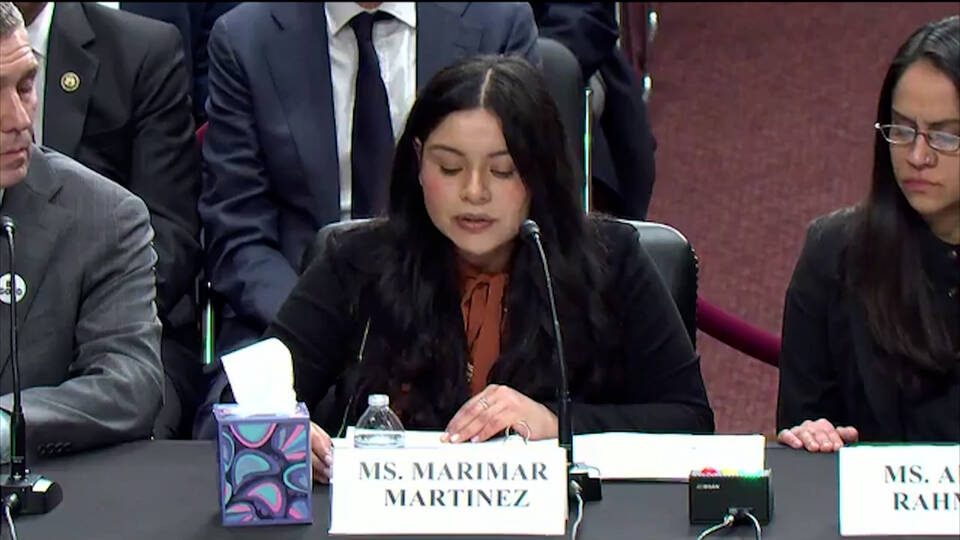
A Chicago teacher who was shot five times by a Border Patrol agent filed a federal civil lawsuit Monday, alleging false arrest and imprisonment, malicious prosecution, emotional distress and negligence. Marimar Martinez was shot last October as she followed federal agents carrying out immigration raids in her neighborhood — honking her horn and shouting to alert her neighbors. Immediately after the shooting, the Department of Homeland Security declared Martinez was a “domestic terrorist,” and accused her of using her car as a weapon. But federal prosecutors abruptly dropped charges just weeks later. Martinez’s lawyers say they have proof that Border Patrol agent Charles Exum shot Martinez without justification and that he was not in danger at the time of the shooting.
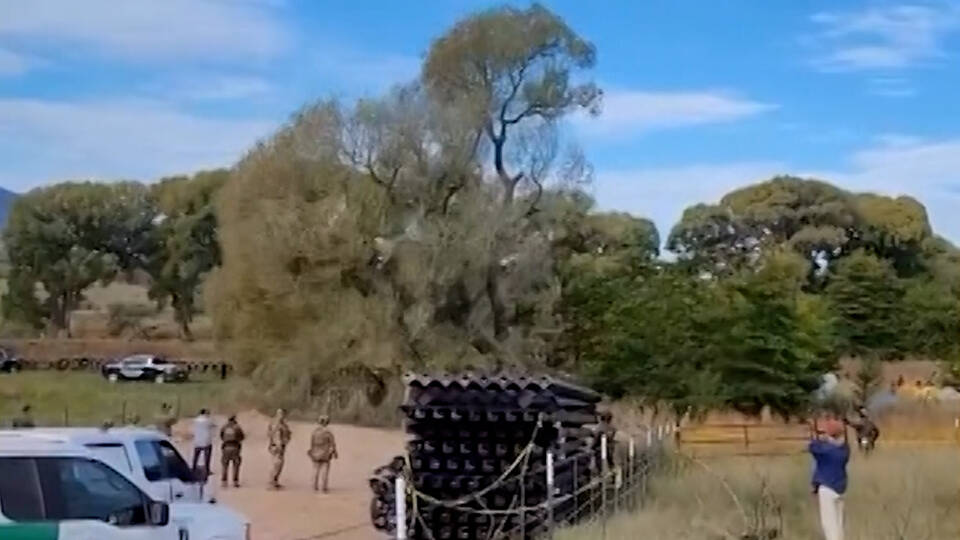
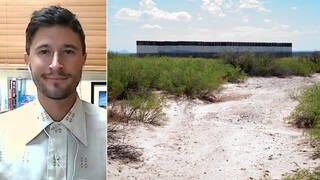
In news from southern Arizona, dozens of armed Border Patrol agents on Monday raided a protest camp in Lochiel, arresting at least 20 people who’d been protecting a 200-year-old cottonwood tree and blocking the border wall expansion for over two months. The camp had been in place since July, with activists taking turns to sit up high in the branches of the giant, sacred cottonwood.
In video footage from the scene Monday morning, witnesses are heard screaming as an excavator rips out the cottonwood, known as “grandmother tree,” from its roots to make way for Trump’s border wall. Click here to see our coverage of this story.
Federal agencies have declined to renew permits for a dozen water stations operated by the Tucson-based nonprofit Humane Borders to help migrants crossing through the treacherous Sonoran Desert. This comes as the remains of at least 86 migrants have been found in the region this year alone, as people are forced to cross through more remote and dangerous areas of the U.S.-Mexico border due to the expansion of the wall. This is Octavio Fuentes, executive director of Humane Borders.
Octavio Fuentes: “Water is a human right, and the removal of water stations during the surge of migrant deaths is absolutely deplorable. It is cruel. The government’s border strategy that they’ve had in place for the last 30 years is prevention through deterrence. It’s what has pushed people into this desert for 30 years. Now it’s going to deny water, and more people will absolutely die as a result of it.”

Mexican President Claudia Sheinbaum is requesting evidence after U.S. Ambassador to Mexico Ronald Johnson claimed shots fired from Mexico targeted U.S. Coast Guard. The alleged shooting reportedly took place in the Texas-Tamaulipas border in late September. Hundreds of U.S. troops, helicopters, drones and other military equipment have since been deployed to the region in response. This is Sheinbaum speaking from Mexico City Monday.
President Claudia Sheinbaum: “They even sent it in writing, stating that there have been shots fired from the Mexican border into the United States. We have requested all the evidence that this was the case, because we have no evidence. No member of the National Guard, the Army or the Navy has detected any shots fired from the Mexican border into the United States.”

President Trump said Monday his super PAC will pay for his campaign-style ads, instead of using federal funds. The use of taxpayer money to fund Trump’s midterm ads drew swift backlash, even from some Republicans. The government has reportedly spent at least $10 million to air the ads. Public Citizen blamed broadcast networks for accepting the taxpayer-funded campaign-style ads, saying, “The letter to broadcasters notes that they should refrain from airing advertisements that they know are otherwise illegal under the law, and that broadcasters must maintain a public file on any political ads they air. Failing to uphold this duty can result in broadcast license revocation.”


We're hiring an Individual Giving Manager to support our fundraising team. Find out more and apply today!

Special guests Angela Davis, Bruce Springsteen, Patti Smith, Michael Stipe and more came together to celebrate 30 years of Democracy Now! at a sold out Riverside Church event in NYC on March 23, 2026.



 Top
Top
Media Options